

 August 31, 2026
 5mins
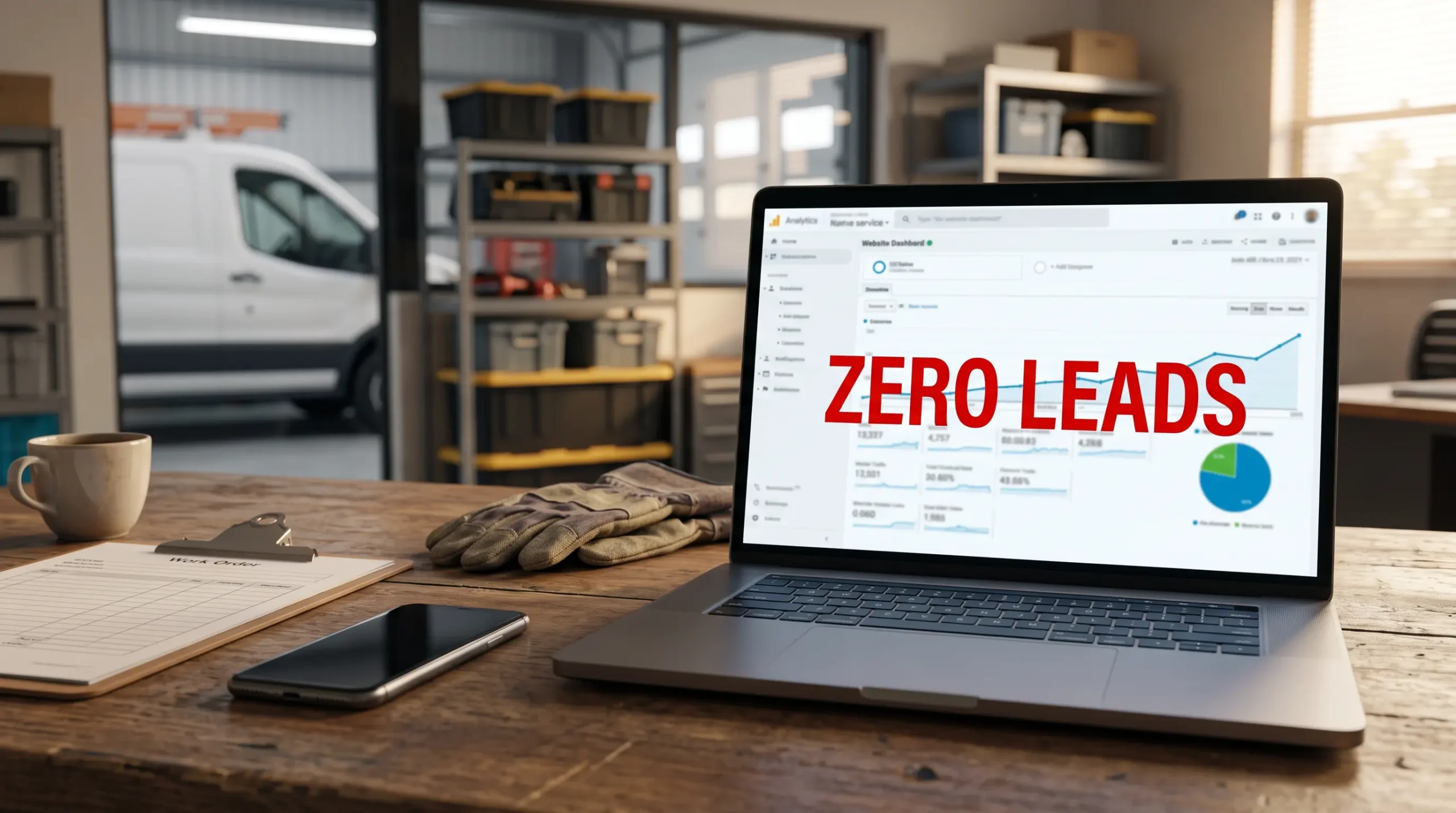
A slow website might seem like a small problem in comparison to running an entire home service business, but it’s costing you revenue.
Many contractors assume that as long as a potential customer can quickly access a phone number then the website is serving its purpose. This is a massive assumption.
Your slow website speed is planting seeds of doubt before a customer even searches for contact information.
Speed is a proxy for professionalism, quality and trustworthiness. You do great work, have a strong local reputation and leave customers satisfied but your website is fighting against you.
The Numbers Matter More Than You Think
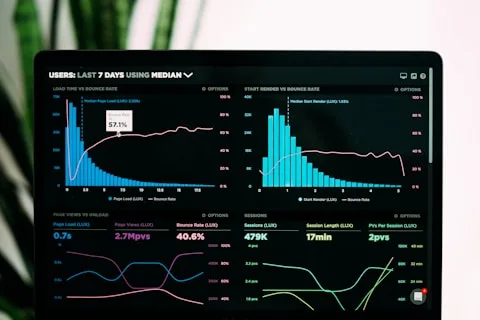
Site speed research has consistently shown the same pattern: every additional second of load time pushes more visitors to leave before the page ever finishes loading.
Especially on mobile, by the time your website would have loaded this homeowner is already on to another contractor's website that loaded faster.
Same person. Different website. Lost job.
In 2026, it’s becoming a common expectation for a desktop page to load under 2 seconds with mobile landing somewhere between 3 and 5 seconds.
Google Wants To Reward Fast Websites
Speed becomes even more important as we know Google has treated page speed as a real ranking factor since 2021.
In other words, Google isn't guessing how your site performs. It's measuring it directly, from real visits, and factoring that into where you rank.
For home service businesses, where the map pack and top few search results get the overwhelming majority of clicks, a page that quietly under-performs on these metrics can mean the difference between showing up on the first screen or getting pushed down where nobody scrolls.
What Actually Slows Contractor Websites Down
Speed problems on home service websites tend to come from a small handful of repeat offenders:
1. Heavy, feature-packed themes. Page builders and prebuilt themes often ship with sliders, animations, and features that look impressive in a demo but add real weight to every page load.
2. Cheap or shared hosting. Underpowered hosting doesn't usually cause a full outage. However, it shows up as inconsistent load times, fast one visit and sluggish the next, especially during busier hours.
3. Uncompressed images. Job photos are one of the best trust-building tools a contractor has, but an uncompressed photo gallery can add massive delay to a single page load. Compressed, properly sized images load fast without sacrificing quality.
4. Plugin stacking. Each added plugin brings its own scripts and background requests. Individually they're minor. Stacked together across a site, they add up fast.
The Bottom Line
A slow website rarely announces itself as the problem. It just shows up as fewer calls than you'd expect, rankings that never quite improve, and a site that looks fine on the surface but isn't pulling its weight.
If you want to know whether your website is helping you win jobs or working against you, connect with us at Blank Museum. We will give you an honest assessment of how your website is performing and what can be improved so you land more future jobs.

Austin Werner
Founder of Blank MuseumAustin is a Sacramento-based founder with nearly a decade of experience across creative, digital marketing, and advertising. He's now building Blank Museum to help home service businesses across the US grow.